

Number of participants
Level
Meeting point
Powder, volcanoes and Hokkaido
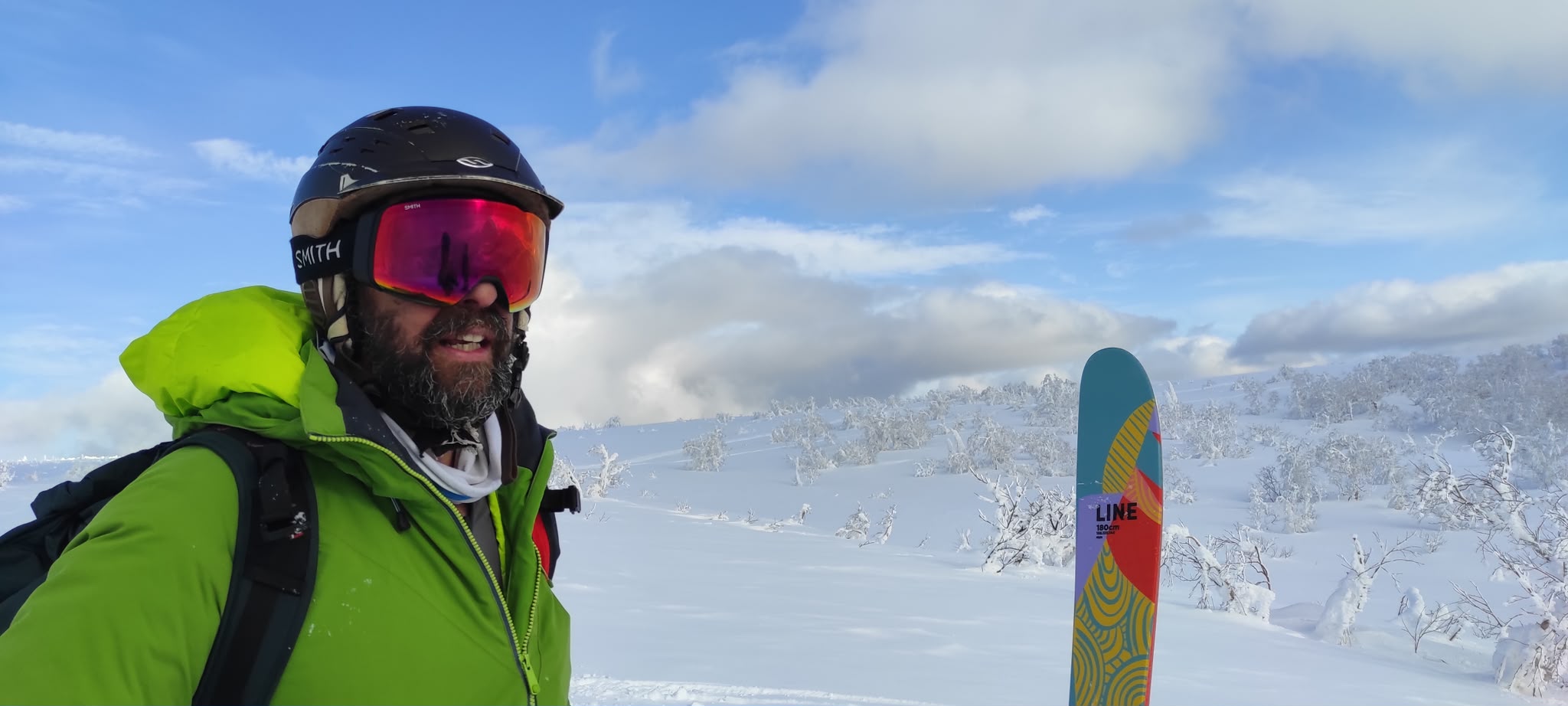
Hokkaido, Japan’s northern island, is known for its abundant, light powder snow. This private trip combines resort days, freeride skiing and skin-assisted tours, moving between birch forests and wide volcanic terrain.
The trip is organised by Richard and Denis. Richard is your main contact and will shape the itinerary with the group. The route below is a framework: the order and objectives may change with snow and avalanche conditions, weather, resort openings, local rules and the group’s ability.
Hokkaido is also home to distinctive wildlife, including the Ezo sika deer, Steller’s sea eagle and the Shima-enaga, a long-tailed tit subspecies unique to the island. Wildlife sightings are never guaranteed and are not the purpose of the ski days. Japanese macaques do not live in Hokkaido.
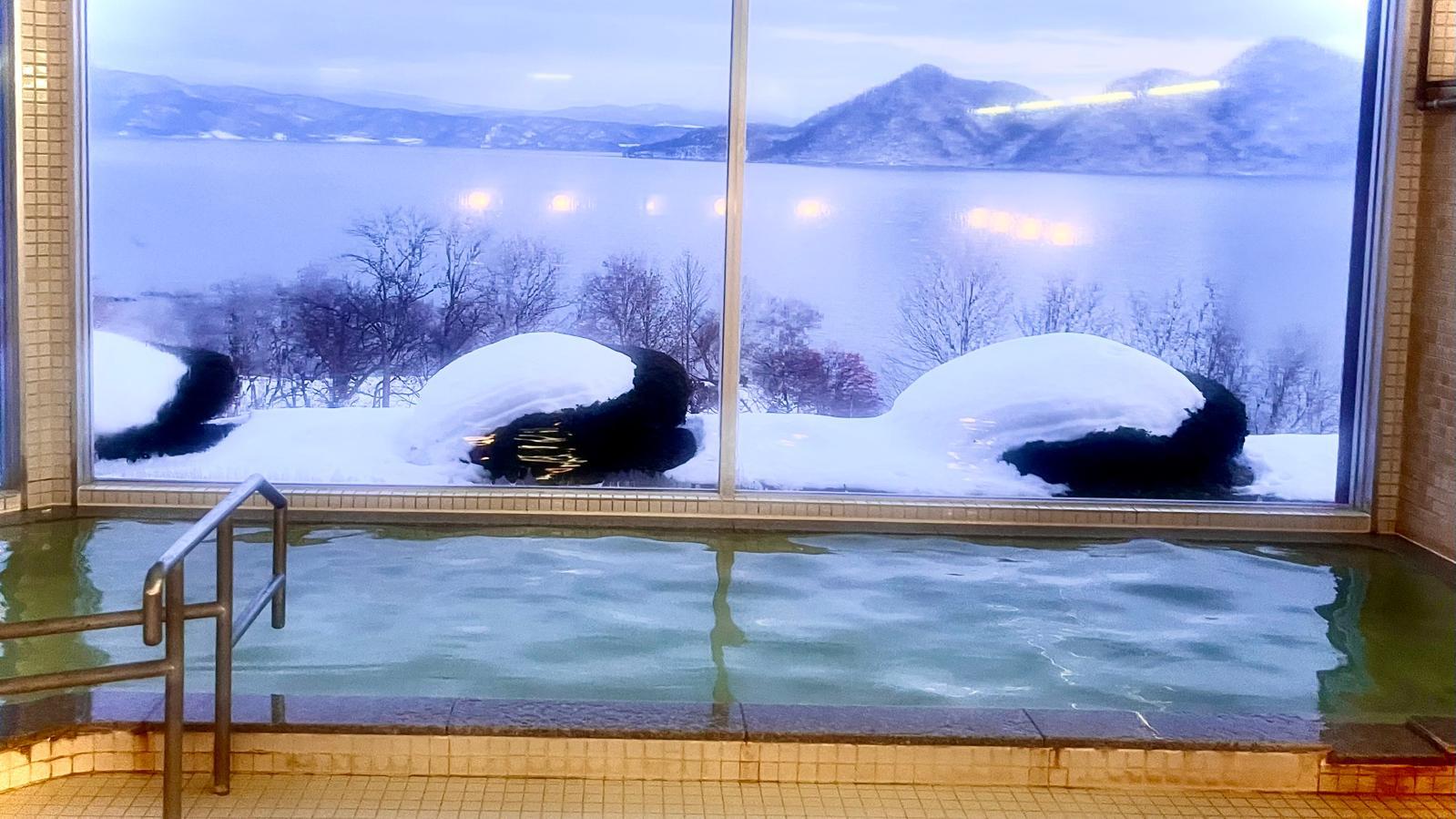
After skiing, unwind at an onsen, a Japanese hot-spring bath fed by naturally heated spring water. Visiting an onsen is part of the trip, offering time to relax and experience a tradition deeply rooted in Japanese culture.
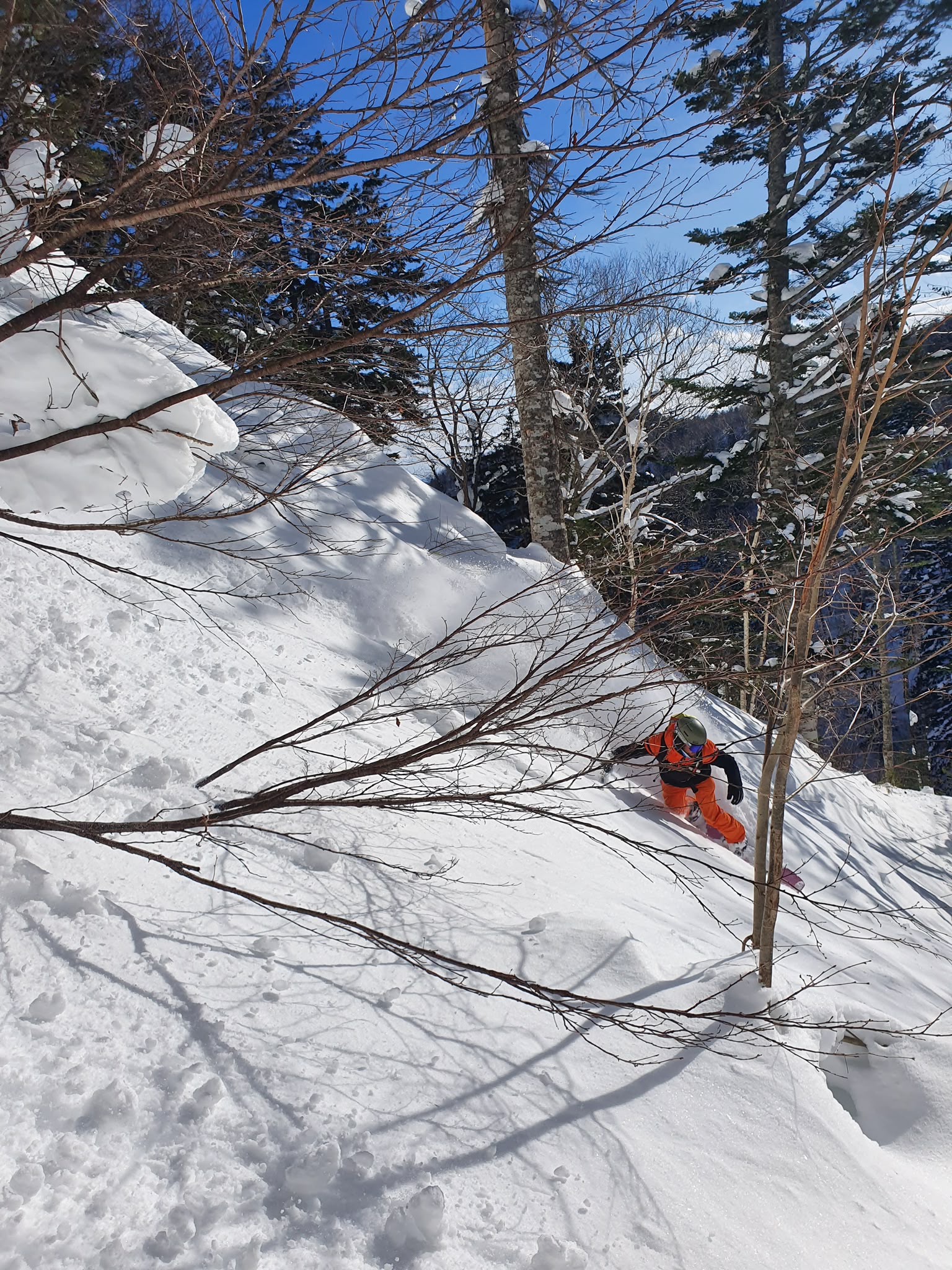
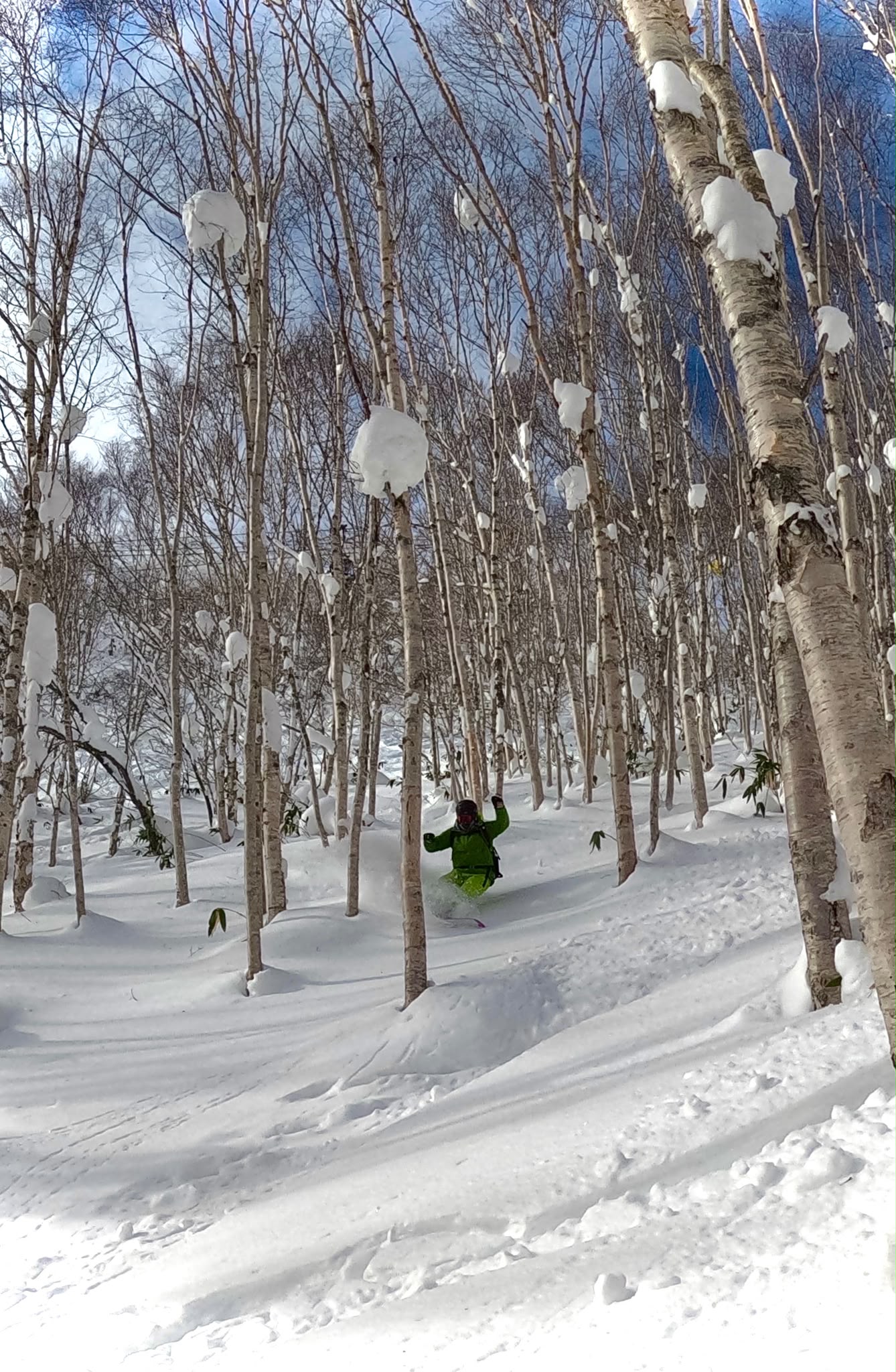
The mountain objectives, especially the volcanoes, are considered only when conditions and the group make them appropriate.
Days 1–4 — first turns and birch forests
Day 1 — Arrival in Sapporo and transfer to Furano
Meet at Sapporo airport and travel to Yamabe-Furano. Settle into a traditional Japanese house that will serve as the first base for the trip. The exact meeting point and time will be confirmed once the group’s flights are known.
Day 2 — Furano: getting used to Hokkaido snow
Warm up on the slopes at Furano and get a feel for the often-light snow. Check equipment, safety apps, settings and group routines before heading onto freeride terrain.
Day 3 — Hoshino Resorts TOMAMU: skiing in the trees
Explore Tomamu’s wooded terrain. Depending on conditions, local access rules and the group’s energy, the day may include a short skin-assisted climb to reach a descent beyond the groomed runs. The area borders extensive wild spaces; wildlife encounters cannot be promised.
Day 4 — Kamui Ski Links: a quieter mountain day
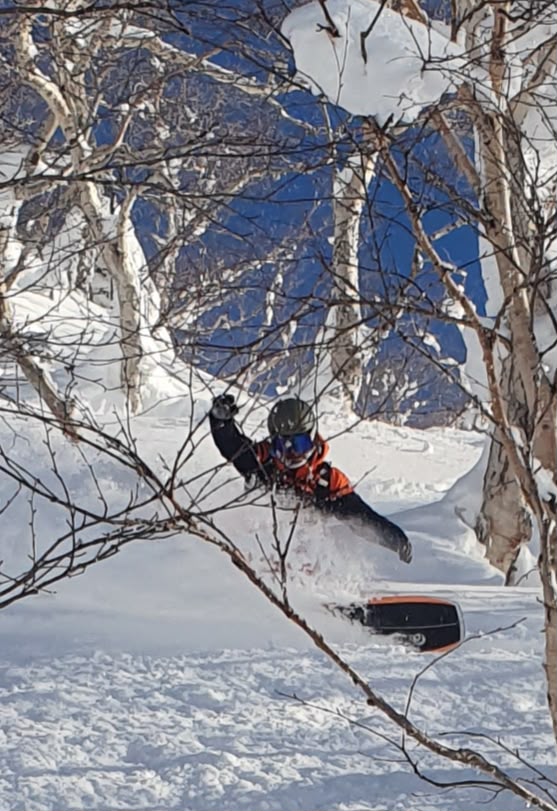
Head to Kamui Ski Links, a more low-key resort known for its wooded terrain. If snow, resort access and visitor numbers allow, the group can look for less-tracked lines. Fresh tracks are never guaranteed.
Days 5–9 — volcanoes and major resorts
Day 5 — Asahidake: skiing on an active volcano
Asahidake is Hokkaido’s highest peak and an active volcano, with fumaroles across its upper slopes. The ropeway reaches the upper mountain; a skin-assisted tour towards more remote slopes or the summit may be considered only if weather, visibility, volcanic activity, avalanche danger and group ability allow. Reaching the fumaroles or summit is not guaranteed. Asahidake is not a conventional ski resort, and there is no resort rescue service off managed routes.
Day 6 — Kiroro: choosing lines in deep snow
Spend the day at Kiroro, a resort known for heavy snowfall and varied terrain. Select runs according to snowpack and resort access. In deep snow, streams, gullies and drainage channels may be hidden, so route choice needs extra care.
Day 7 — Niseko: Hokkaido’s best-known ski area
Niseko United brings several ski areas together and can be busier than the smaller resorts. Enjoy the lifts and accessible terrain while following local rules, resort boundaries and all requirements for off-piste access.
Day 8 — Mount Yōtei: a major ski tour
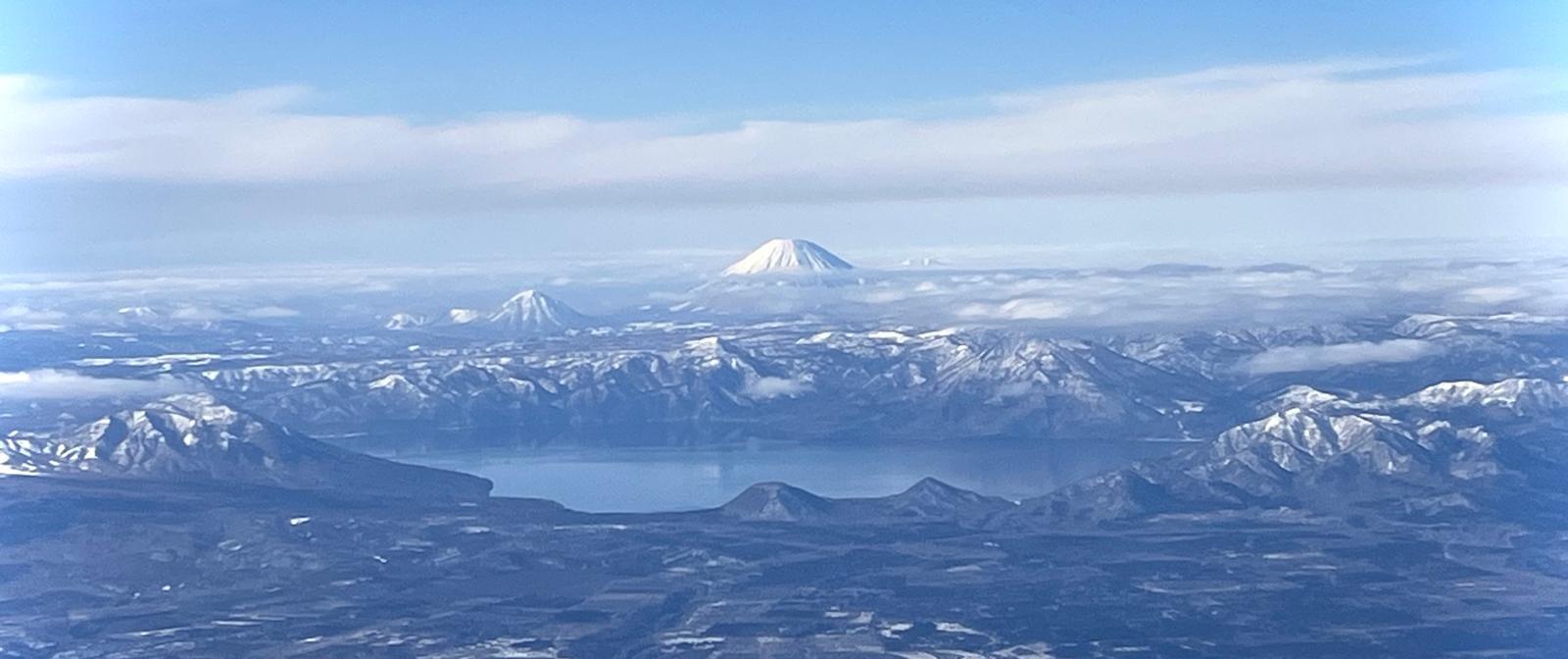
Mount Yōtei, a striking stratovolcano rising to 1,898 metres, is one of the trip’s major objectives. The climb is a demanding full mountain day. Reaching the summit and skiing inside the crater are ambitions only if snow and weather conditions, timing and group ability make the plan reasonable. Winter ascents involve serious avalanche and exposure hazards; the summit is never a guaranteed objective.
Day 9 — Rusutsu: three mountains to explore
Rusutsu spreads across three mountains, with a broad network of groomed runs and tree-skiing options. Its size makes good navigation and clear regrouping plans important; the day’s sectors will be chosen to suit the group and conditions.
Days 10–13 — flexible Hokkaido days or Rishiri
Days 10, 11 and 12 are optional. They can extend the Hokkaido programme or be used for a multi-day trip to Rishiri. The choice will depend on the group, snow and weather conditions and transport logistics.
Option A — Keep exploring Hokkaido
Use these days to visit smaller resorts or ski-touring areas selected closer to the time, according to the snow and conditions. This keeps the itinerary flexible instead of locking in destinations too far in advance.
Option B — Rishiri, the volcanic island off northern Hokkaido
Rishiri lies off the northern tip of Hokkaido. Its 1,721-metre volcano rises from the centre of the island, with the sea all around. The proposed plan is to travel by ferry, stay at the island’s lodge and be welcomed by Toshi and his wife, who prepare the meals. Depending on conditions, tours may explore different aspects of the volcano.
This extension requires dedicated logistics. Winter ferry services can be disrupted, so boat schedules, accommodation and the return journey to Sapporo must be reconfirmed. The summit and planned descents remain subject to a safety assessment.
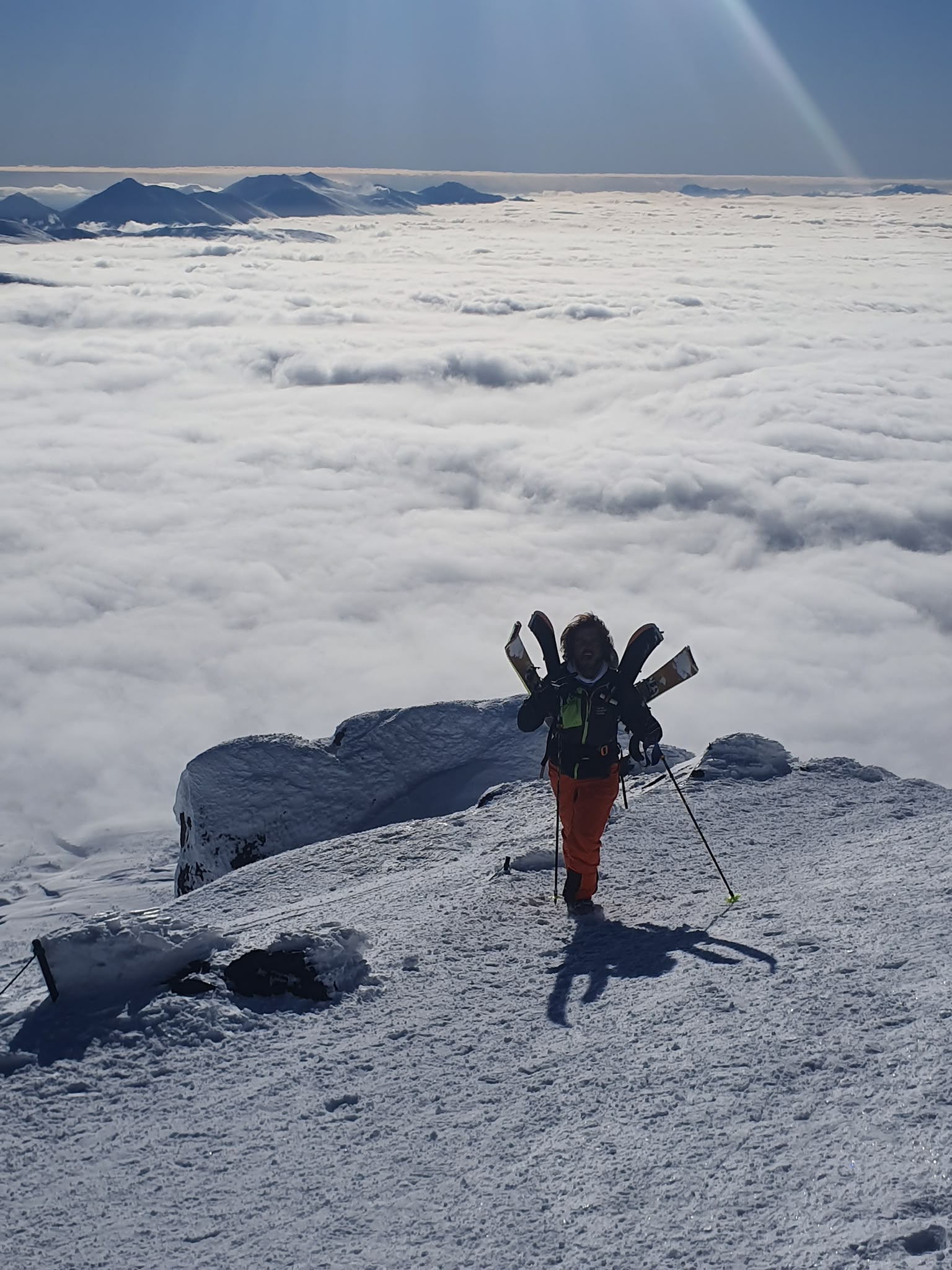
Day 13 — Return to Sapporo
End of the trip and return to Sapporo. If the Rishiri extension is selected, the ferry and transfer schedule must be arranged in advance to make this final leg realistic.
Trip leaders, safety and practical information
Format: private trip on request, organised by Richard and Denis. Richard is the main contact for planning the itinerary.
Experience: to be discussed with Richard before confirmation. The programme combines freeride skiing and skin-assisted tours, so the group should be comfortable off-piste and have the fitness needed for mountain days. The final itinerary will be tailored to the group’s experience and expectations.
Meeting point: Sapporo airport, followed by a transfer to Yamabe-Furano. Airport, meeting time, transfers and the final itinerary will be confirmed according to flights and the option selected.
Dates, group size, price and inclusions: available on request. Flights, accommodation, meals, transport, lift passes, equipment rental and insurance are not specified here; the proposal will state what is included before booking.
Safety and equipment
The daily plan depends on snow and avalanche forecasts, weather, resort access, local rules and the group’s ability. A resort day may replace a skin-assisted tour, and a summit objective may be dropped if conditions are unsuitable.
For mountain tours, bring avalanche safety equipment (transceiver, shovel and probe), plus suitable navigation and communication tools. Ski and touring equipment for Asahidake must be organised before reaching the area: the visitor centre advises that local winter ski and equipment rentals are not available.
Before departure, Richard will review personal equipment, experience, insurance, rental needs and transport arrangements with the group. For Rishiri, ferry schedules and equipment transport must be reconfirmed.
Official trip-planning resources
- JNTO — Hokkaido destination guide
- Asahidake Ropeway — operating information
- Asahidake Visitor Center — safety guidance
- Kutchan Town — Mount Yōtei information and safety
- JNTO — access to Rishiri and Rebun
Final itinerary and practical arrangements will be shared with the group before confirmation.